LYTT / AI Energy Insights Dashboard

Turning Complex Engineering Data into Simple, Real-Time Collaboration

TIMELINE / 12 months (Apr 2023 – Apr 2024)
RESPONSIBILITIES / Research, Visual Design, Prototyping
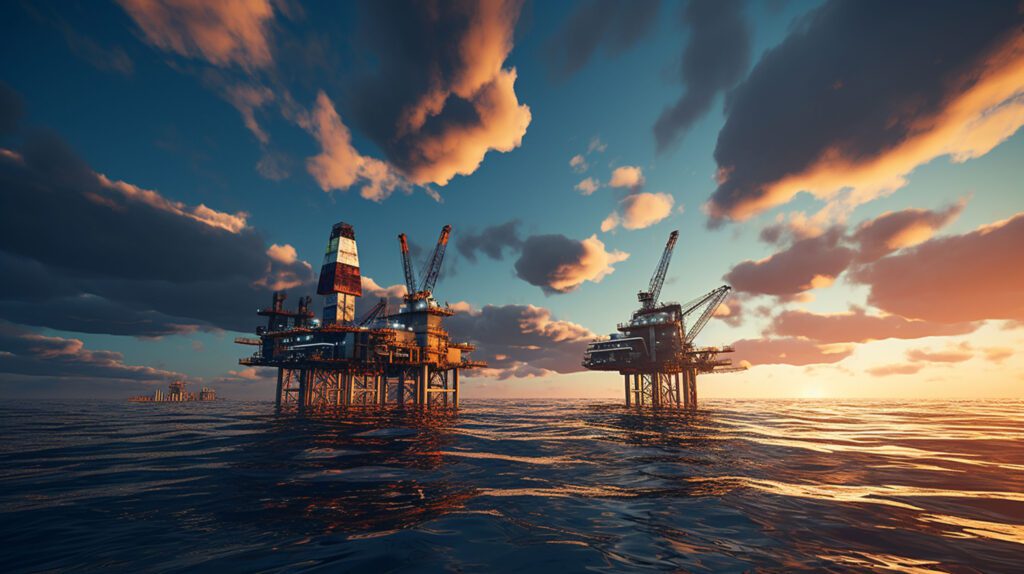
Oil rigs for oil and gas production

The Background

BP’s engineering teams work with vast amounts of fibre sensor data every day to monitor energy performance across multiple sites. But their tools hadn’t caught up with the scale of their work.
Data lived in spreadsheets, PDFs, and long email threads, scattered across departments and impossible to track in real time. As a result, engineers spent more time gathering information than analysing it. Collaboration was slow, problems lingered, and valuable insights were often buried in inboxes.

Our mission was clear: design an AI-powered collaboration dashboard that brought data, discussion, and decision-making together in one place, helping engineers act faster, smarter, and in sync.

The Challenge

Before the redesign, BP engineers faced three big problems:

  • Fragmented communication: each team worked from different data versions.
  • Manual reporting: insights were shared via static files and lost in long threads.
  • Slow feedback loops: identifying and solving performance issues could take days.


We set out to design a connected, real-time workspace, one that simplified collaboration without disrupting existing workflows.

Design an AI-powered collaboration dashboard that brought data, discussion, and decision-making together in one place.

My Role

As the Lead Product Designer, I guided the project from discovery to delivery, facilitating cross-functional workshops, designing user journeys, and ensuring every design decision solved a real engineering challenge.

My Approach

1. Discovery & Alignment

I started by uniting engineers, data scientists, and product leads in a focused discovery workshop. We mapped their workflows, reviewed how data was shared, and identified bottlenecks. Together, we defined the MVP: a real-time collaboration platform where engineers could view, annotate, and discuss live energy data, without switching between tools.

2. Defining What Matters

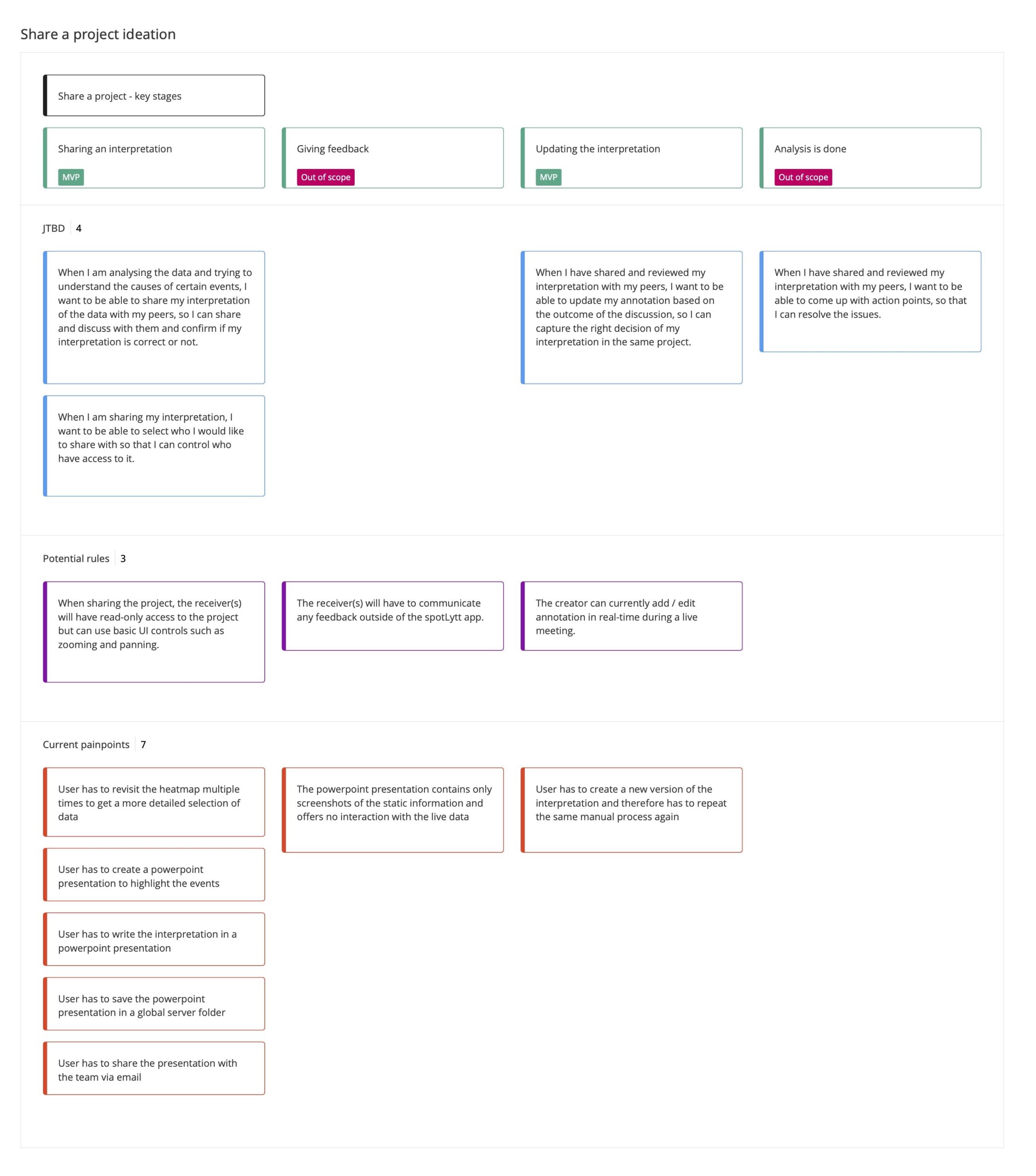
From our research, we prioritised features that directly addressed daily pain points:

  • Shared project spaces for team-based collaboration.
  • In-app commenting to replace long email threads.
  • Real-time annotations directly on data charts.
  • A scalable foundation for version history, permissions, and saved views.


This gave us a focused roadmap, one that balanced technical feasibility with high user value.

Design Roadmap

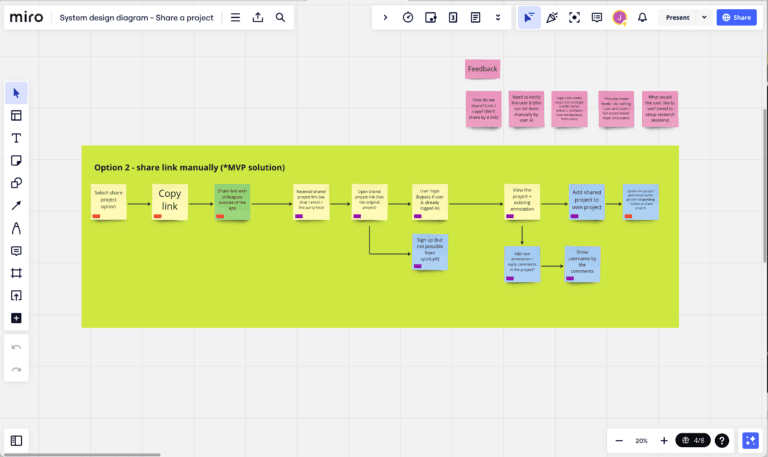
3. Designing the Experience

I led the end-to-end UX design process, from user flows to visual design and interaction patterns. Working closely with developers, I ensured designs aligned with technical realities while maintaining a clean, intuitive interface. When early prototypes felt cluttered, I refined layouts and introduced micro-interactions, subtle highlights, hover states, and contextual tooltips to guide users naturally through complex data. The goal was to make technical information feel simple, discoverable, and collaborative.

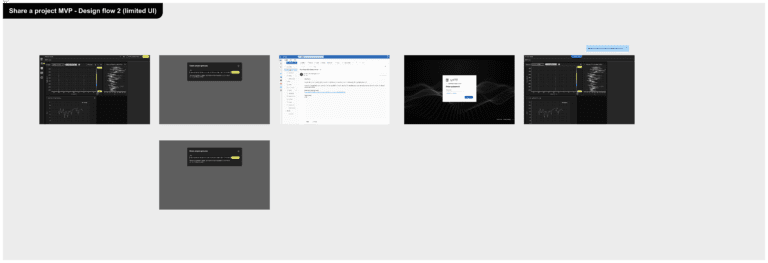
Shared Project Space

4. Testing with Real Users

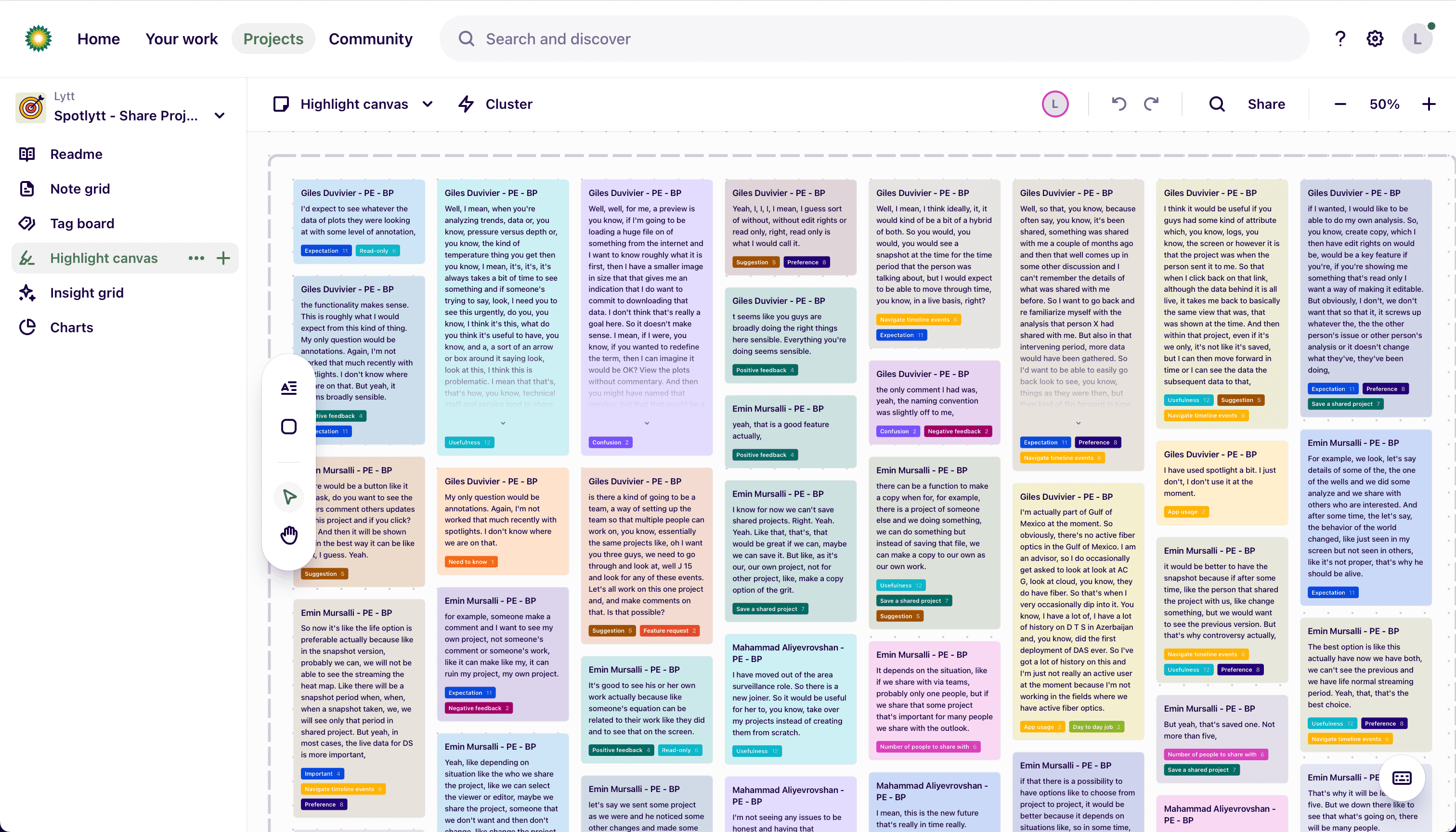
We tested prototypes with engineers from Petroleum, Reservoir, and Petrophysics disciplines. Their feedback was invaluable: we simplified chart layouts, clarified annotation behaviour, and surfaced collaboration tools more prominently. One user request stood out: the ability to save custom data views for recurring analyses. I documented this use case and successfully pushed for it to be prioritised in the next roadmap cycle.

Research Insights

The Outcome

The AI-powered dashboard launched as a beta to a selected group of BP engineers, and the results were immediate:

  • Faster problem resolution: teams could identify and resolve data anomalies significantly quicker.
  • Reduced email dependency: most discussions shifted into the dashboard itself.
  • Improved collaboration: real-time annotations created visibility and shared understanding across teams.


The product’s success led to the approval and development of the Saved Data Views feature, expanding the tool’s long-term vision for scalable, AI-driven insight sharing.

I turned BP’s fragmented, manual data workflows into a unified AI-powered collaboration platform, helping engineers move from isolated problem-solving to real-time, collective insight.

Afterthoughts

This project was a powerful reminder that good design doesn’t just simplify interfaces, it transforms collaboration, strengthens trust, and helps complex organisations move faster with clarity and purpose.