LYTT / UX Research Ops

Building a Smarter, Faster, and More Connected Research Practice

TIMELINE / 5 months (Oct 2023 – Feb 2024)
RESPONSIBILITIES / Research Processes, UX Operation Strategy
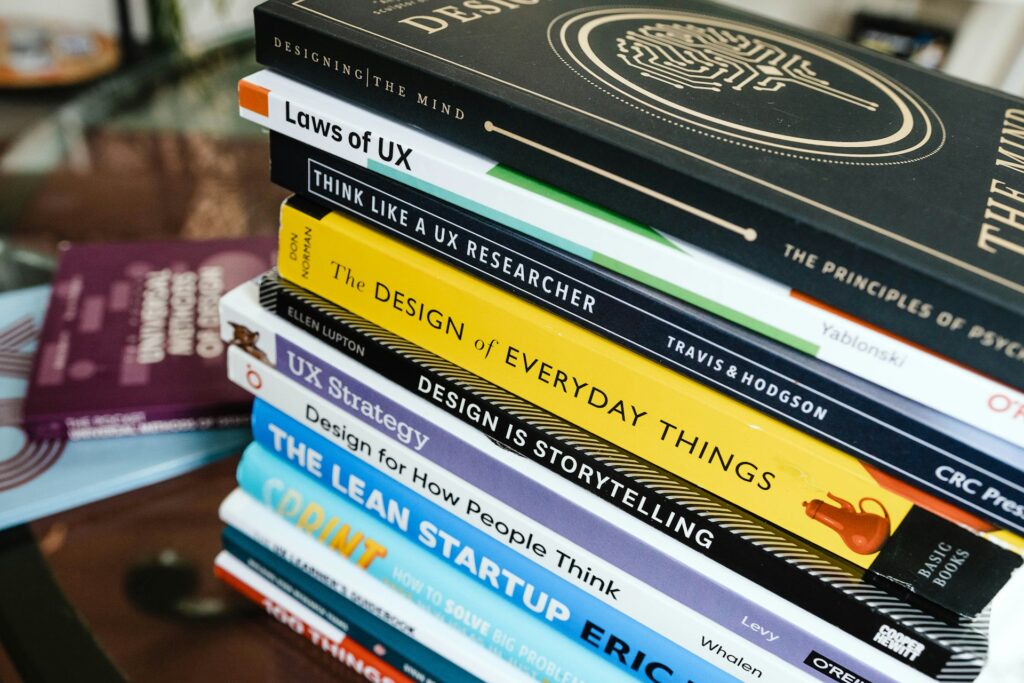
Colection of UX Design Books

The Background

At LYTT, the UX research team was growing fast, but with that growth came complexity. Researchers were spending more time chasing files, organising studies, and formatting reports than actually conducting research. Valuable insights were scattered across tools, and design or engineering teams often missed key findings because there was no single place to find them. The result? Great research, but limited impact.

The Challenge

Researchers needed a simpler, smarter way to work, and the company needed a consistent process that linked insights directly to design and development.

The key problems were:

  • Scattered workflows: research files, videos, and reports lived across multiple tools.
  • Low visibility: stakeholders didn’t know where to find insights or how to use them.
  • Manual overhead: repetitive admin tasks slowed researchers down.
  • No central record: institutional knowledge was easily lost between projects.


To address this, I had to establish a repeatable and scalable research operation, from process design to tool setup, and ensure its adoption across teams.

Create a repeatable and scalable research operation, from process design to tool setup, and ensure its adoption across teams.

My Role

My mission was to change that. As the lead designer overseeing UX operations, I set out to transform LYTT’s fragmented research process into a streamlined, centralised, and scalable system, one that empowered researchers to focus on insight generation while making their findings visible, actionable, and connected to real product decisions.

My Approach

1. Understanding the Pain Points

I started by interviewing LYTT’s researchers and observing how they planned, ran, and shared studies. The findings were clear: too much time was wasted on setup and reporting, and too little on actual analysis and storytelling. Insights that could have influenced key product decisions were often buried in folders, lost in emails, or trapped inside siloed tools.

2. Designing a Standardised Research Framework

I mapped the entire research lifecycle, from planning to sharing, and designed a repeatable workflow to simplify every step. This included:

  • Templates for briefs, hypotheses, and test plans.
  • Standard interview and usability testing guidelines.
  • A tagging system in Dovetail for faster analysis and synthesis.
  • A standard reporting format that made insights easier to present and understand.


This meant every study now followed a clear, predictable path, improving both speed and consistency.

Research Framework

3. Creating the UX Insights Hub

Next, I built a centralised “Insights Hub” in Dovetail, a living library of all research artefacts. Here, researchers could store recordings, transcripts, highlight reels, and tagged insights linked to personas and product areas. For product managers and engineers, the Hub became a single source of truth, a place to see what users said, what was learned, and what actions were taken.

Insights Hub

4. Strengthening Collaboration Across Teams

To bridge the gap between research, design, and engineering, I introduced new rituals:

  • Insight review sessions with engineers to validate technical feasibility.
  • Open research reviews where PMs could drop in and see findings first-hand.
  • Research-to-design handoff where Figma files are linked directly to supporting research insights.


This made UX research an active part of decision-making, not an afterthought.

Standardised Figma File System

5. Scaling the Practice

Finally, I formalised everything into a five-pillar UX Ops model:

  1. Process: Jobs-to-be-done framework and UX briefs.
  2. Tools: Optimised Dovetail, Miro, and Figma workflows.
  3. Insights Hub: A searchable, tagged research repository.
  4. Collaboration: Shared reviews with Product and Engineering.
  5. Design Structure: Systematic file organisation and component documentation.

The Outcome

This initiative completely changed how UX research operated at LYTT.

  • 30% faster research delivery through standardised workflows and automation.
  • Single source of truth for all research, eliminating silos and duplication.
  • Stronger collaboration between UX, Product, and Engineering, making research insights directly influence product roadmaps.
  • A scalable system built for growth, new researchers could be onboarded in days instead of weeks.
  • Elevated UX influence in business strategy, positioning research as a core driver of innovation rather than a supporting function.

I designed and implemented LYTT’s first end-to-end UX Research Ops framework, bringing structure, visibility, and speed to how research was planned, shared, and acted upon.

Afterthoughts

My work transformed LYTT’s UX research from scattered and reactive to a unified, data-driven engine of insight, giving teams the clarity and confidence to design smarter, faster, and with purpose.